
Guide to Simple Eating

This is a guest post from Catt Houser.
In my quest to simplify my life, I have determined this must include the way I eat.
Eating simple and whole foods is about eating quality, real foods. I eat food that will nourish my body. The funny thing I have noticed is the purer my food, the less food I need to have energy and feel satisfied.
I eat a simple diet of whole food the way God made it. Food that is not "enhanced" with manufactured chemicals and preservatives. Turns out that eating simply has not been so simple.
There is a lot to learn about eating naturally in a world that is all about convenience food.
You have to learn about how to read labels, cook, plan, and where to shop for your food. Even something as easy as eating bread is not so simple. Bread has tons of preservatives in it.
Making your own bread is not hard, but takes time. There is a great (and easy) recipe for Ciabatta bread on YouTube that I use from Caitlin Cooks called "How to Make Ciabatta Bread from scratch - No Bread Machine Required!".
I have a whole new perspective about the food around me. I really see much of it as "poisoned". I know that sounds harsh, but food laced with hormones, chemicals, preservatives and who knows what, only creates sickness in the body and essentially poisons those who eat it.
I have stopped eating traditional convenience foods.
My junk food is actually whole food I make from scratch and could be something as simple as homemade french fries or toast with honey. When you make your food from scratch with natural ingredients you know exactly what is in it because it is made with ingredients you can find right in your kitchen.
When reading food labels, I must be able to identify the ingredients on the package, and the fewer ingredients, the better. I try to use natural sweeteners like honey, 100% maple syrup and fruit juice concentrates. With flour, I use organic products when I can and whole wheat products. I love vegetarian sushi and have found it is easy and fun to make.
Yolanda's tip: Nature's candy, i.e. fruit, can also fulfill your junk food cravings.
Simple eating becomes much easier as you learn to cook and plan your meals.
There's tons of food to eat and the internet is full of great recipes that are natural, quick, and easy. I mix up a pitcher of a smoothies so that I can grab a glass full as a meal or treat. A few of my favorite fruits, some almond milk and maybe even some organic peanut butter and bam, delicious!
Yolanda's note: I prefer smoothies to juicing. Smoothies are more filling and you consume the whole fruit or vegetable or most of it, so you're getting all the nutrients with less food waste.
Nuts are a great snack and natural peanut butter on some homemade bread tastes great and is filling. It is one of my "fast" foods. I also love a nice piece of crusty Italian bread with oil and herbs or even some coconut oil on it.
I eat a plant based diet to stay away from animal hormones and fats. I actually find that I really love what I eat now, even though at first I had to train my taste buds to appreciate real food. They were clogged up with tons of salt and high fructose corn syrup. Real food is simply wonderful and delicious.
The biggest challenge for me has been learning how to cook.
I'm living a simple life so I keep my cooking simple also. I have learned to pre-cook food so it is ready when I don't feel like cooking. I carry food that I can eat with me so I will always have nutritious food when I am hungry. I have also found cooking to feed my body can be a spiritual experience. I feel better and I feel more at peace.
I've learned to forgive myself when I get it all wrong and be patient with myself as I continue to transition into a new healthy and simple way of eating. I have found friends and resources online that support my lifestyle too.
Simple and whole eating is as much about mindset as it is about the food we eat.
Remember that there is freedom in simplicity and always approach your food and meals with an attitude of thankfulness. For me that means giving thanks to The LORD for my daily bread.
Summary tips for simple eating.
- Read labels. You should be able to identify the ingredients and the fewer ingredients, the better.
- Use natural sweeteners. Pure honey, maple syrup and agave nectar are good options.
- Smoothies are great as a snack or meal replacement.
- Have fruits and nuts on hand to snack on as alternatives to junk foods.
- Pre-cook and prepare foods for the days you're on the go or don't fee like cooking.
- Give it time. As you simplify your diet, it can take a while for your taste buds to adjust.
Here are some sites you can browse for simple meal ideas.
Catt is a spiritual foreigner and pilgrim seeking the peace of the LORD in a fallen world.
What tips do you follow for eating simply?
Minimalist Travel Guide: Mexico

This minimalist travel guide is based on my experience of visiting Mexico for three weeks in July 2013.
All figures are based on this particular travel market and time. My entire trip was paid for with cash. No credit cards, reward miles/points. If you use credit cards with rewards, you can travel for less.
The cost of my trip included 20 days of travel, four flights, accommodations at five locations, interstate travel via bus on five round trips, food, and other expenses.
If you’re interested in extended travel, solo travel, adventure, and interacting with a lot of locals versus a resort experience, I believe these tips can be applied to plan a similar trip.
Breakdown of my costs.
$659- Flights. Round trips between Washington, DC and Mexico City and Mexico City and Villahermosa. I purchased my economy ticket about three months before my trip in July. I took a backpack and purse so no baggage fees.
Tip: Book your flights at least 90 days in advance and play around with the route if possible to get the best fare. For domestic flights, around 30 days is still the general rule, but CheapAir did a study and found the best time to book domestic flights for the cheapest fare is six to seven weeks in advance for a Tuesday or Wednesday.
$407- Accommodations. I rented two Airbnb rooms, one in Palenque and Mexico City, totaling 14 days. I also stayed in a hotel and private hostel room for one night and with a friend for three nights.
Tip: Hostels are inexpensive and good for last-minute accommodations when you can’t plan ahead. To pick a good Airbnb host, use the reviews wisely.
$200- Food. I budgeted about $15 dollars a day, but mostly did not spend more than $10/day for all meals, except when I went to the grocery store in Mexico City.
Tip: Follow the locals to eat well and inexpensively. Eat in places that are at least moderately busy. I also saved money by buying breakfast foods like fruit and pastries for several days and by stretching my meals. They give you a lot of food in Mexico for what you pay, so it’s easy to break it into two meals.
$72- Ground travel throughout Mexico. This includes bus tickets, metro, and taxi rides.
Tip: Pay attention to how the locals get around town because it will be cheaper than a standard cab ride. For inter-country travel, the bus system in Mexico is awesome. It has lots of routes at reasonable prices and you get to see the beautiful scenery.
$1338- The total for three weeks of awesome adventures in Mexico.
What about spending money?
I didn’t include this in the total because depending on what you plan to do this will vary. I spent about $350 on museums, gifts, and randoms.
If I wasn’t so interested in silver jewelry and gifts, I would’ve spent a lot less. The museums accounted for a good portion too, because they charge non-citizens more.
Still, if you add in my spending money, I still spent less than two grand for a complete three-week vacation.
What to Pack
Whether you’re going on a weekend getaway or a month-long excursion, these packing tips will apply.
No baggage fees. Most airlines allow you one carry-on and personal bag at no extra fee. I traveled with a backpack and large purse. I recommend a backpack because it leaves your hands-free and allows you to move more freely. Use what you have.
Tip: Find ways to downsize while on your trip. I gave away my big purse and bought something smaller. If you don’t want to bring certain clothes and other items back with you, give them away or donate. This is especially helpful if you’re bringing back souvenirs.
The basics of what to pack do not change regardless the length of the trip. For a longer trip, you may pack a couple extra items and wear clothing multiple times. On a shorter trip, focus on packing the bare essentials.
Tip: Roll your clothing and use packing envelopes or ziplock bags to protect your items and save space.
On the plane, I wore a cardigan, t-shirt, jeans, and sneakers. Normally I wouldn’t suggest wearing sneakers because of the times when you have to remove your shoes, but I wanted more space in my backpack.
Tip: Wear your bulkiest items on the plane to save space in your luggage.
Additionally, I packed:
another pair of jeans
4 pairs of shorts (2 denim, 1 cargo, 1 dressy culottes)
another t-shirt
4 tank tops
2 weeks worth of underwear
2 pairs of socks
2 pairs of sandals
Personal items like my handmade deodorant and moisturizer, toothbrush/paste, sanitary items.
Tip: Pack enough underwear so you won’t need to wash clothes until later in your trip. I washed clothes one time, when I got to Mexico City. You can also wash smaller items in the sink and hang to dry if necessary.
What I bought:
lotion with SPF
razors
lip balm
Pepto Bismol tablets (Montezuma’s revenge)
smaller purse (I gave the big one I brought with me to my friend)
Tip: Take only the essential personal items (stuff you may need immediately before you’ve had a chance to survey your surroundings). Shop in the local stores (if available) and avoid hotel gifts shops and other stores geared towards tourists.
Technology. I packed my cell, a digital camera, and an e-reader. I should've never bought the refurbished camera because it didn't work half the time and my cell ended up being my camera. I also used free wi-fi and Skype to upload pics to Facebook, call my mom, and research activities to do while in Mexico. I used the e-reader to entertain myself at night, but the charger broke halfway through my trip.
Tip: All you need is a smart phone.
Additionally, here are some useful links.
Happy Black Woman's Mexican Travels
You should have lots of ideas for planning your next trip inexpensively and efficiently. Also, read about the life lessons I learned traveling in Mexico.
What are your minimalist travel tips? Where are you planning to go next?

Your Minimal Self

Your Minimal Self
Your minimal self is your authentic self. It comprises who you are and what you stand for. Your personal brand. Understanding your minimal self is necessary for achieving your goals and creating the life you want.
There are four main components to help you craft the foundation of your minimal self and personal brand. Your core values, mantra, manifesto, and mission statement form your foundation.
Core Values
Per Google’s definition, values are a person’s principles or standards of behavior; one’s judgement of what’s important in life.
Your core values are your top values. You can have tens or hundreds of values, but your core values are the ones that inform and guide the important decisions in your life.
You must know what these values are and understand what they mean for you. Before you set goals, declutter, or make any changes in your life, you need to know your core values.
Core values are not tangible, but rather intrinsic motivations. I like money, but I don’t value it because it’s an object. I value what money can facilitate in my life: freedom.
Freedom is my number one core value by the way. Read why.
Your core values may not be immediately apparent. You’re going to have look back over you life and examine those life altering experiences, your passions, the things you keep returning to.
Look at the things you have in your life that love and think about want you still want for your life, and ask yourself why these things are important.
Once you know what your core values are, you can work on the other components.
Mantras
Mantras are the words that center you, calm you, motivate, and empower you. It can be one word or statement you repeat during meditation or prayer. It can also be your tagline or motto.
In Sanskrit, a mantra is defined as a tool (-tra) of the mind (man-).
Manifesto
Your manifesto is your personal proclamation. It’s your detailed policy for who you are, what you represent, and what you envision.
Your manifesto will include some of the following statements.
How you will define yourself.
How you will face challenges.
How you will interact with others.
How you will commit to eliminating all forms of clutter from your life.
How your work will support the vision you have for your life.
This is what you’re going to read when the doubts and fears creep into your life and threaten to derail your goals.
For inspiration, read this article from Lifehack.
Mission Statement
Your mission statement is more detailed than your mantra and a distilled version of your manifesto.
Your mission statement will encapsulate your core goals, values, and beliefs. It’s the elevator pitch of your life. This is a succinct summary and I recommend keeping it 1-3 sentences in length.
Use these tips to take action in defining your minimal self and building your personal brand foundation.
How do you cultivate your personal brand?
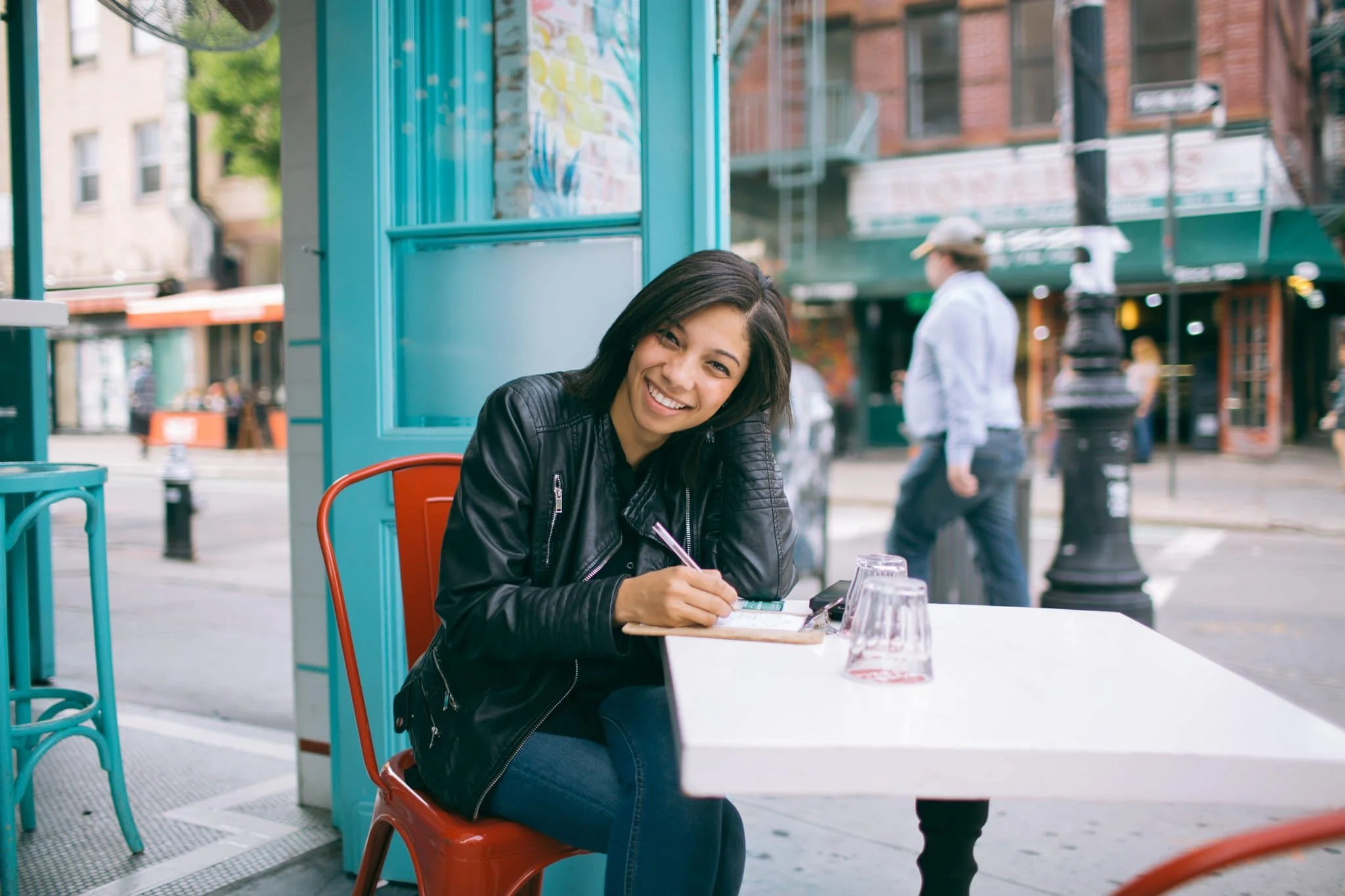
20 Questions for a Minimalist Mindset

The minimalist mindset is the key to creating a life of freedom. The most significant factor in changing your life is changing your mindset.
This is something I had to learn when I began my journey. Every action is tied to a thought, be it conscious or subconscious.
If you don't change how you think about the clutter in your life, you may find yourself back at the starting line after all of your hard work to declutter.
If you have not started the minimizing process, if you are in the midst and have found yourself stuck, or if you have made significant headway and want to go further into the minimalist lifestyle, these questions are for you.
I have compiled a list of 20 questions to help you probe your thought patterns and answer questions that may arise as you declutter your life.
Jumpstart your minimalist mindset with these questions.
- What do I want to get rid of?
- What do I want to gain that I don’t already have?
- What does freedom look like to me?
- What is one memory I could never part with?
- What is one item I could never part with?
- What am I afraid of losing?
- What consumes most of my time?
- What do I want to make time for?
- What consumes most of my space?
- What do I want to make space for?
- What do I need clarity on in my life?
- What am I thankful for?
- What would my life look like with less?
- What is priceless to me?
- In what areas do I accumulate the most clutter?
- What influences me to consume?
- What will most improve in my life by living simply?
- What are my values?
- What are my goals?
- What are the limits of my comfort zone?

Pros and Cons of Minimalism
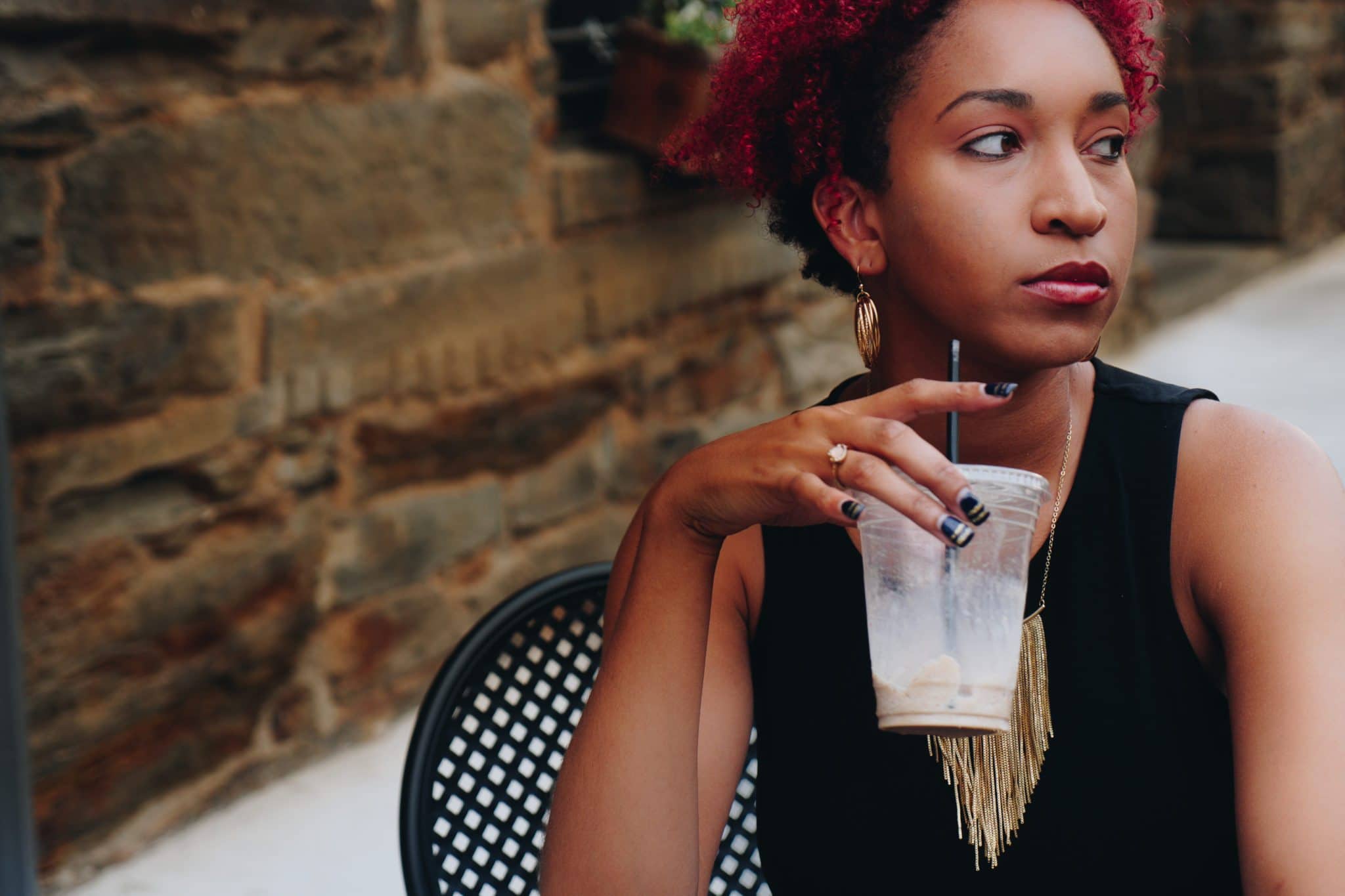
With everything you encounter in life, there are benefits and drawbacks, and minimalism is no different. While I think simple living is great overall, it's important to consider some valid pros and cons of minimalism.
I'll state the obvious first.
The obvious pros are you have less clutter, you're more organized, you save time, you're better able to prioritize, you focus on experiences over stuff, and you save money because you're not buying a whole bunch of crap you don't need.
The obvious cons are you can't always get what you want and your options in some situations are limited.
Below I'm going to address the pros and cons of five issues within minimalism.
#1: Be willing to commit and forego.
Con: It's difficult to embrace a minimalist lifestyle.
On the surface, getting rid of stuff seems easy enough, but it actually requires a lot of willpower and willingness to go beyond our mental and sentimental attachments to things.
The process of decluttering can feel very stressful and overwhelming in the beginning. Memories and emotions surface as you go through your stuff. Evaluating relationships or changing career paths can be upsetting if you're not prepared.
Additionally, as you shed your old lifestyle, you may find yourself asking, "Who am I now? I will address this in more detail later.
Pro: Once you get through the initial discomfort of letting things go, the process becomes easier.
You're able to efficiently decide what is right for you. You can better identify the pros and cons of any situation. You're also better able to separate yourself from things that don't matter to you personally.
#2: There is no standard of minimalism. No rule book. It's an open and accepting lifestyle. You only need to figure out what works for you and eliminate the rest.
Con: Deciding what minimalism means for you can be confusing and overwhelming.
There are many people discussing minimalism and simple living. You can find them via blogs, YouTube, and books. We share our stories with you, but it is a very personal journey.
It can be difficult for you to break from your set way of living. You may not know anyone in real life who is modeling minimalist behavior. So it can be difficult to define it for yourself, if you don't encounter it in your everyday life.
Pro: You are in control and get to define minimalism for yourself.
No one can tell you what it means for you to be a minimalist.
We who discuss minimalism are merely providing guides and suggestions based on our own experiences.
If you accept the responsibility of becoming a minimalist, it can be very empowering. You are the expert on you and no one gets to tell you how to live your life.
#3: Shiny Object Syndrome
Con: You're not easily impressed and are cured of shiny object syndrome.
This may sound like a pro, but the reality is that many things begin to lose their luster and there is a danger in being underwhelmed.
We all consume a lot of information via the media and real life interactions. If you're a realist like me, then you already approach many things with neutrality or some skepticism.
Since becoming a minimalist, I'm even more hesitant to accept things on the surface and need to know more before embracing something.
I don't want to lose my ability to wowed and you should be concerned about this too. As kids, we're impressed by everything and possess an innocent curiosity, but with adulthood comes, "been there, done that".
This is a warning. Don't lose your sense of wonder. Allow yourself to be awed. You don't have to own something to enjoy it.
Pro: You can determine the value of things and dig deeper into them.
Not getting caught up in the bright lights, allows you determine more accurately if something has value for you and is worth your time, attention, and wonder.
You may also find other things to engage your attention like nature, travel, or a hobby you've always wanted to try, but never had the time before.
#4: Gratification
Con: You have to pass over a lot of things that you "like" along the way and even if you encounter something you "love", it may not be the right time to have it.
With minimalism you're committed to the things you need and love.
You constantly have to question your own motives and desires and guard against the mind's justifications for wanting things.
Pro: You develop discipline and patience which eventually helps you curb your desire for more.
We are constantly bombarded with messages to consume everywhere we go. It's not wrong to find yourself still wanting things even as you embrace minimalism. Overtime, shiny object syndrome wears off and you cease to want as much stuff.
Read some (not so) surprising facts about what we consume in America.
#5: People and you.
Con: A minimalist lifestyle can be lonely.
Earlier we discussed having to define minimalism for yourself and not knowing people who share your lifestyle. Your friends may want to hang out by going shopping and that might not appeal to you anymore.
You may not have someone to talk to in real life who understands your new lifestyle. People may question your motives because the majority of people in this country do not live minimally.
You may need to separate yourself from people you know and care about because they are engaging in things that don't align with your goals and values.
Additionally, you have to check your expectations of yourself and others. I talked about this in my video on deciding to be happy.
Other people don't have to understand your lifestyle and you shouldn't expect them to. The most you can ask is that they respect you and your wishes. You have to remember, they're not changing their lives, you're changing yours.
You learn to be okay with being more independent, to understand what it means to be alone or lonely at times, and you learn to say "no" more. It may feel uncomfortable for you personally, but you will grow from it.
It takes grit to stand in your truth and do what's best for you.
Pro: Ultimately, you will come to understand yourself better and deepen your spirituality. Minimalism can also improve and deepen your relationships.
When you're alone, there is nothing to distract you from the business of knowing you. Questions such as, "Who am I?", "Is this what I want for my life?", and "What is my purpose?" will arise.
These questions come up at some point in everyone's life journey, but with minimalism they will arise persistently. Life changes create opportunities for your enlightenment and allow you to strengthen your inner self.
You will be mindful about the time and experiences you have with others. You may also have the opportunity to share your minimalist experiences with your family and friends and may get to help them on their own journeys.
Tell me some of your pros and cons of minimalism.
P.S. Need a practical, no-nonsense guide to simplify your life? Get your copy of Mindful Simplicity today.
*This post contains an affiliate link. I am a participant in the Amazon Services LLC Associates Program, an affiliate advertising program designed to provide a means for us to earn fees by linking to Amazon.com and affiliated sites.