
Black Women's History on the Eastern Shore

In celebration of Women’s History Month and as a continuation of Black History Month, I wanted to highlight several black women from the Eastern Shore of Maryland who have impacted our local history. I knew about a few of these women before, but others I only learned about recently, thanks to Dr. Clara L. Small’s books, Compass Points, Vols. 1 & 2. Where possible I have included sources and additional information for you to further your knowledge.
Lucretia Kennard Daniels (1871-1933)- Daniels supported the black community’s public education system in Caroline and Queen Anne’s counties for 30 years. She taught Domestic Science and served as the Supervisor of Caroline County Colored Schools for 10 years before teaching at Princess Anne Academy (University of Maryland Eastern Shore), and then returned to work as Supervisor of Queen Anne’s County Colored Schools. During her time on the shore, she added Negro History to the school curriculums, extended the school program from Grade 7 to Grade 9, initiated Homemaking Fairs for parents to share their skills, and introduced parent-teacher associations to schools. Daniels worked tirelessly to improve black education, including updating the black high school in QA at that time, Centreville Colored Industrial High School, by raising funds to construct a new school. In 1936, this new school was named in honor or Mrs. Daniels, called Kennard High school.
Sources: Compass Points, (2014) (pgs. 33-35), “HIstory of Kennard Elementary School”
Further Information: Kennard Cultural Heritage Center
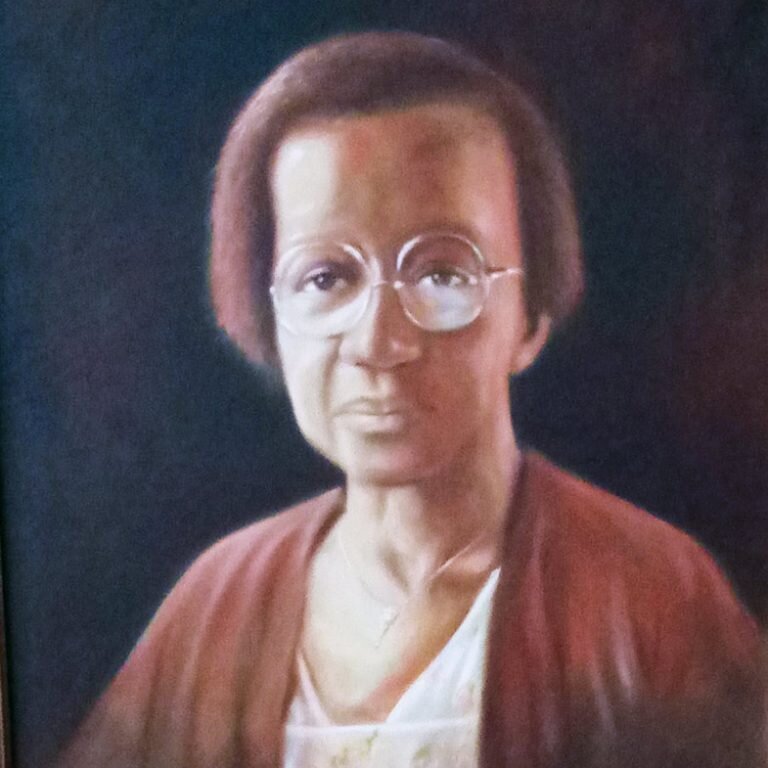
Lucretia Kennard Daniels, painting by Patrick L. Henry (1981).
Anna Murray Douglass (1813-1882)- A Denton, Md native, Anna was born to free parents (freed only one before her birth), Mary and Bambarra Murray. (Side note- I researched the name “Bambarra” because it was different and Bambara is an ethnic subgroup found in southern Mali (part of the Mande group), Guinea, Burkina Faso, and Senegal. So, I wonder if her father was a descendent of this group.) When Anna was a teenager, she went to Baltimore to work, and that is where she met Frederick Douglass (then Bailey). Anna was instrumental in helping Frederick escape by sewing his sailor uniform and giving him money to complete his journey. Upon his successful escape, Anna joined Frederick and they were married in New York in 1838 by James W.C. Pennington, another escapee from the Eastern Shore. Anna was math literate and very thrifty with money. She managed the household’s finances, raised their five children, earned wages doing domestic work, cobbling, and accepting boarders. She and Frederick were also active with the Underground Railroad, harboring escapees.
Sources: Compass Points (2014) (pgs. 100-101), Women in the World of Frederick Douglass (2017)

photo of Anna Murray Douglass (circa 1860), http://memory.loc.gov/mss/mfd/02/02007/0002.jpg
Jarena Lee (1783-1849)- Lee was the first female preacher of the African Methodist Church. While not an Eastern Shore native, she traveled extensively on the Eastern Shore, ministering at the Denton African Church and Methodist churches in Easton, Centreville, and Greensborough (now Greensboro). She traveled over 1600 miles on the Shore, including walking over 200 miles. She faced adversity as a female preacher, but she persisted. She authored The Life and Religious Experience of Jarena Lee (1836, ed. 1849).
Source: Compass Points (2014) (pgs. 172-174)
Further information: Lee’s Biography

illustration of Jarena Lee, https://digitalcollections.nypl.org/items/adeef885-b392-cb33-e040-e00a1806300a
Gloria Richardson Dandridge (1922)- Dandridge moved to Cambridge when she was 6 where her mother’s family, the St. Clairs, were local and politically active. After attending Howard University, where Dandridge was a student activist, she later returned to the Eastern Shore. She challenged school segregation with her daughter Donna, as they and other black students attempted to integrate Cambridge High School in 1962. She became more involved in the movement, eventually becoming the leader of the Cambridge Nonviolent Action Committee (CNAC), a local chapter of the Student Nonviolent Coordinating Committee (SNCC) organization. The CNAC demanded integration of all public institutions, fair hiring practices, public housing, and other basic human rights denied to blacks in the city. This led many protests and demonstrations. Local whites responded with violence per usual and the National Guard was called in from 1963 to 1964. The Cambridge movement was the first grass-roots civil rights movement outside of the Deep South. Gloria moved to New York in 1964. February 11 is now Gloria Richardson Day in Maryland.
Source: Compass Points (2014) (223-225)
Further information: SNCC Digital, The Struggle Is Eternal: Gloria Richardson and Black Liberation (2018)

Image from Reflections on Pine 1967-2017, https://www.dorchesterbanner.com/dorchester/gloria-richardson-returns-cambridge/
Edythe M. Jolley (1901-?)- Jolly was from Caroline (her mother was a Preston native) and Dorchester counties where her father also taught when she was growing up. Her teaching career began at St. Clair High School in Dorchester County in 1930. She taught and was the principal for 13 years at St. Clair. Jolley then went on to serve as the principal of Maces Lane High School for another 28 years. She was the first black woman principal on the Eastern Shore and possibly, the state of Maryland.
Source: Compass Points (2017) (92-93)
Further information: Maces Lane Community Center / Edythe M. Jolley Museum and Cultural Center
Addie Clash Travers (1910-1994)- Travers, a Cambridge, Md native, was a descendent of Harriet Tubman and she organized the first Harriet Tubman day back in 1967. The celebration was first held at historic Bazzel African Methodist Episcopal Church, in Bucktown, Md. While Harriet Tubman’s life and accomplishments may be popular now with more recognition from the local and state governments, back then, Travers worked hard to honor her ancestor. Travers was one of the original founders of the Harriet Tubman Association and It is because of her early efforts that we now have two museums, a byway tour, a mural, and more public recognition acknowledging the life and times of Harriet Tubman.
Source: Compass Points (2017) (221-222), “Eastern Shore Honors its Harriet Tubman”
Dr. Clara L. Small- Dr. Small is a retired history professor from Salisbury University who has been teaching, researching, and writing about black history on the Shore for over 40 years now. Small has authored four books on local history including two that I have sourced for this article, Compass Points: Profiles & Biographies of African Americans from the Delmarva Peninsula, Volumes 1 and 2, A Reality Check: Brief Biographies of African-Americans on Delmarva, and Men of Color to Arms! Manumitted Slaves and Free Blacks from the Lower Eastern Shore of Maryland Who Served in the Civil War.
Further information: http://www.sowhatsyourstorypodcast.com/episodes/2018/3/27/clara-small
Full Citations:
Small, Clara L. 2014. Compass Points: Profiles and Biographies of African Americans from the Delmarva Peninsula, Volume 1. Saltwater Media.
Small, Clara L. 2017. Compass Points: Profiles and Biographies of African Americans from the Delmarva Peninsula, Volume 2. Saltwater Media.
Update: For Black History Month 2021, Don Barker of Choptank River Heritage asked if he could collaborate with me by expanding on my initial post, adding more information and photos of the Black women featured. Please visit the site to read First Black Women and follow CRH on Facebook for more on Caroline County history and geography.
Black Eastern Shore Project | 13 Books to Read for Black History Month
“Why is this park named after the Pinkneys?” I asked this question to my aunt at Pondtown’s annual Community Day on September 14th, 2019. The Pinkneys are my maternal grandfather’s family, his father was Neman Pinkney. I was hoping at some point during the event, we would learn the history of the park, but I quickly realized I would have to go digging. I found out that the Downes family donated the land for the park and named it in honor of their cousins, the Pinkneys, but why? Everyone told me to go find Janie Downes, unfortunately, she had left before I could talk to her. There is no sign or marker that tells you any history of the park or the town. A google search on the history of Pondtown reveals little about this historically black community, yet perhaps 100 families have called it home. Sadly, this story is all too familiar, when I think about black communities on the Eastern Shore, but my goal is to change this narrative.
One of the reasons for taking a month-long break from social media and streaming apps was so I could focus on organizing the Black Eastern Shore Project. I announced the start of this project in late December (follow us on Instagram @black_easternshore) and during the month of January, started the research process in preparation for grant applications. Securing funding would allow me to focus solely on creating this resource over the next two years, however, this project will be completed regardless. There is so much history here that needs to be told by us and for us. Did you know that Maryland’s Eastern Shore is possibly the home of the United States’ first free black community, The Hill? Archaeologists, led by our own Eastern Shore native and Morgan State Professor, Dale Green, have uncovered artifacts dating back to the late 18th century, decades prior to Treme, New Orleans, previously thought to be the oldest black community. The Hill is not alone though, so far I’ve found over 30 black communities, some I knew about, but many new to me, and I haven’t even scratched the surface yet.
The project will focus on the social networks of these communities as they are the backbone. Churches, schools, and social organizations will be featured along with oral histories. Oral traditions such as storytelling, and signifyin’ are foundational to the black cultural experience worldwide and it allows us to tell our stories in our own ways and words. There is a wealth of knowledge among our elders and it deserves to be documented. My research will focus specifically on the 20th century because little has been written about it, but here are several books, some written by black authors, you can read to begin understanding the history of the Black Eastern Shore:
Narrative of the Life of Frederick Douglass: An American Slave by Frederick Douglass. (1855)
The Underground Railroad by William Still. (1871)
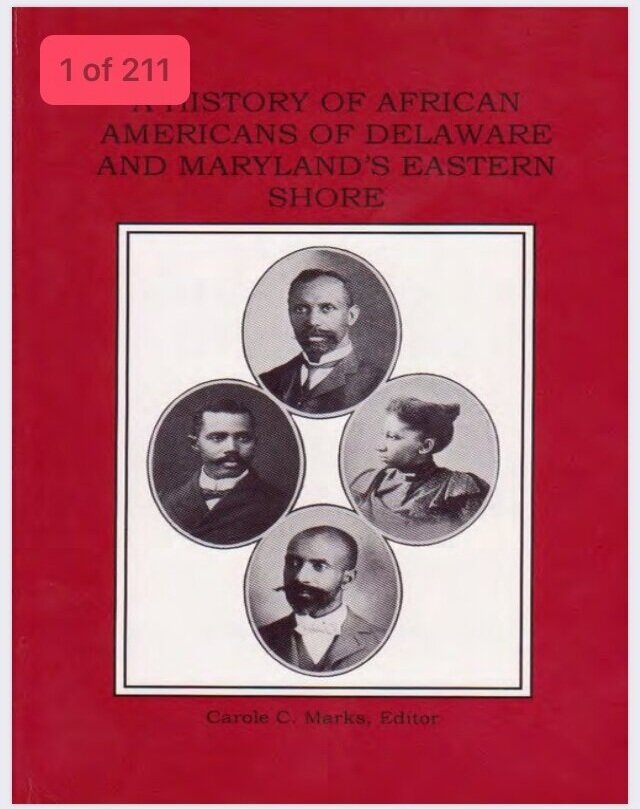
A History of African Americans of Delaware and Maryland’s Eastern Shore edited by Carole C Marks. (1996)
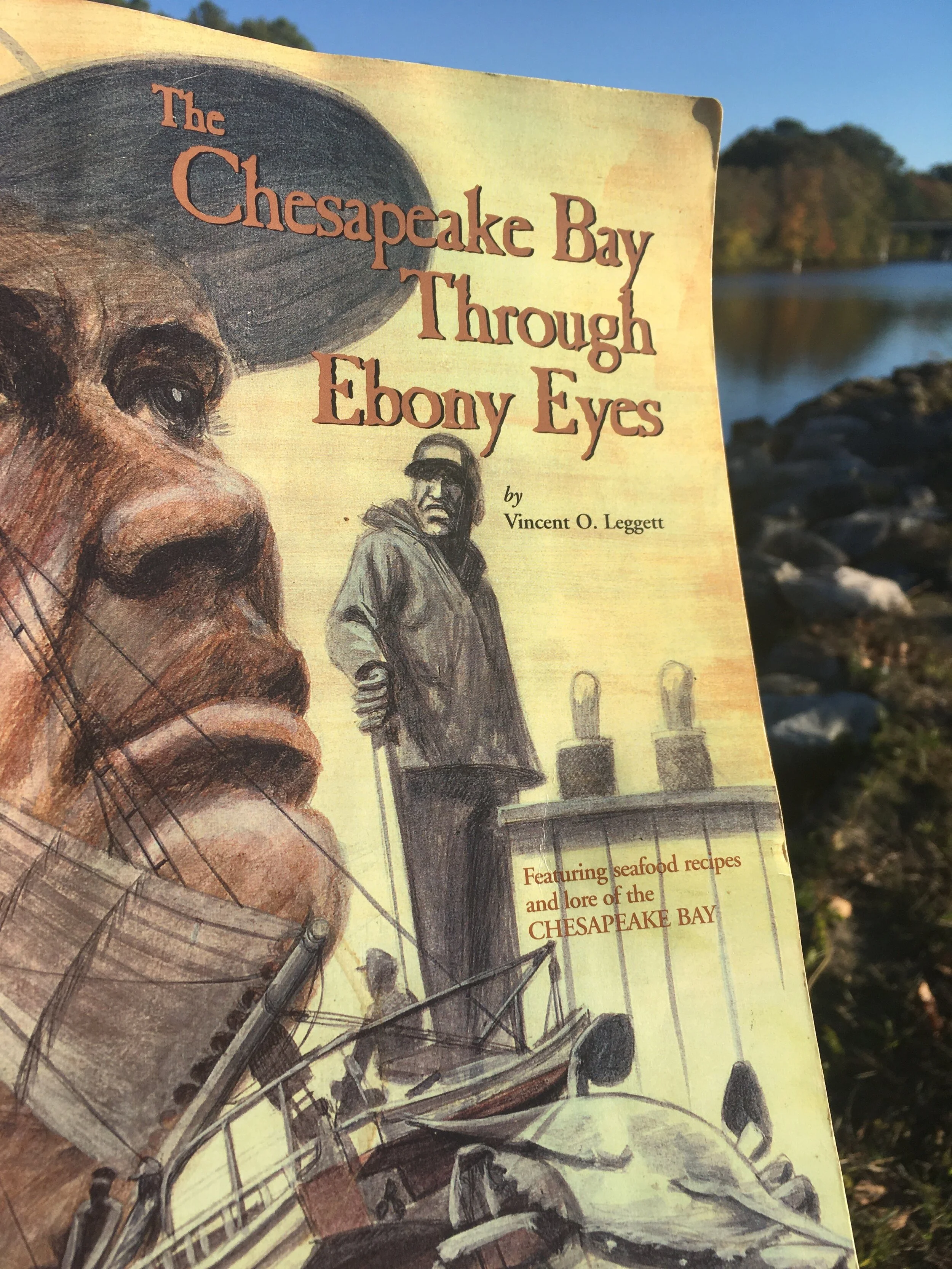
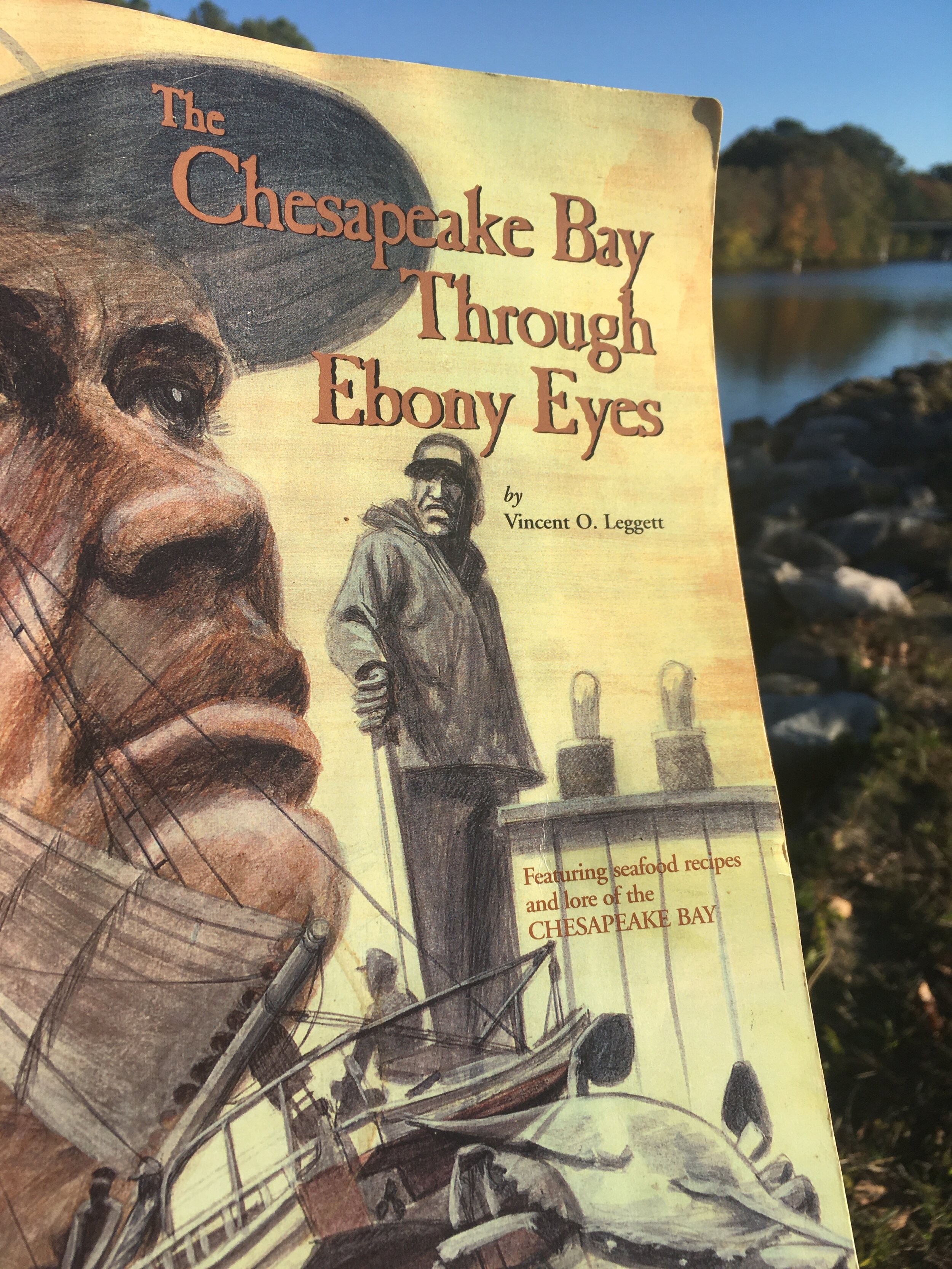
The Chesapeake Bay Through Ebony Eyes by Vincent O. Leggett. (1999)
Men of Color from the Lower Eastern Shore who served in the Civil War by Clara Small. (2010)
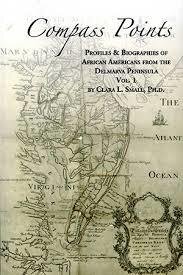
Compass Points: Profiles and Biographies of African Americans from the Delmarva Peninsula, Volume 1 by Clara Small. (2014)
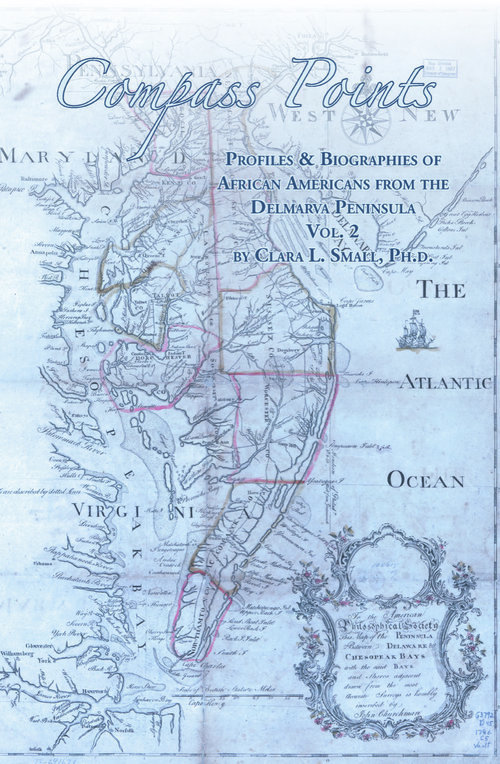
Compass Points: Profiles and Biographies of African Americans from the Delmarva Peninsula, Volume 2 by Clara Small. (2017)


Here are some additional sources worth noting:
Slaves Without Masters: The Free Negro in the Antebellum South by Ira Berlin. (1975)
Free Blacks on the Lower Eastern Shore: The Colonial Period 1662-1775 by Thomas Davidson. (1991)
The Road to Jim Crow: The African American Struggle on Maryland’s Eastern Shore, 1860-1915 by C. Christopher Brown. (2016)
Women in the World of Frederick Douglass by Leigh Fought. (2017)
Free African Americans of Maryland, 1832: Including Allegany, Anne Arundel, Calvert, Caroline, Cecil, Charles, Dorchester, Frederick, Kent, Montgomery, Queen Anne's, and St. Mary's Counties by Jerry M Hynson. (2019)
Plantations, Slavery, and Freedom on Maryland by Jacqueline Simmons Hedberg. (2019)


Harriet Tubman Mural | Black Eastern Shore

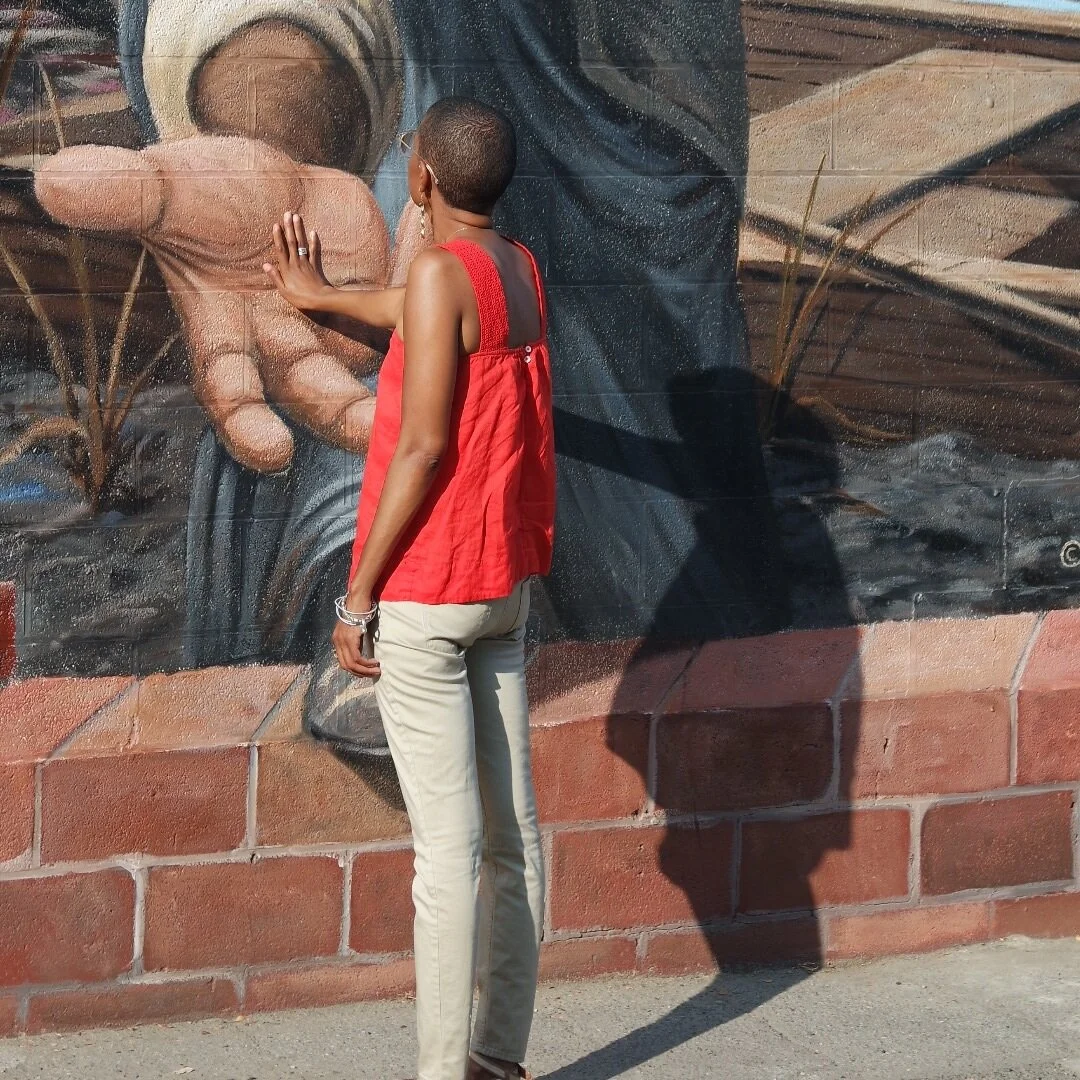
With the opening of the Harriet movie this past weekend, I thought I'd share my September visit to the Harriet Tubman Mural. Harriet Tubman was born in Dorchester County, Md in an area called Church Creek, just outside of Cambridge. I live about 30 minutes away from here in Caroline County, Md, where she also traveled. If you're visiting the area you should check out both Tubman museums, as well the Underground Railroad Byway Tour, and the Chesapeake Mural Trail. #BlackEasternShore
Also check out my oldie but goodie interview with Harriet Tubman featuring my friend, Belinda Brown.